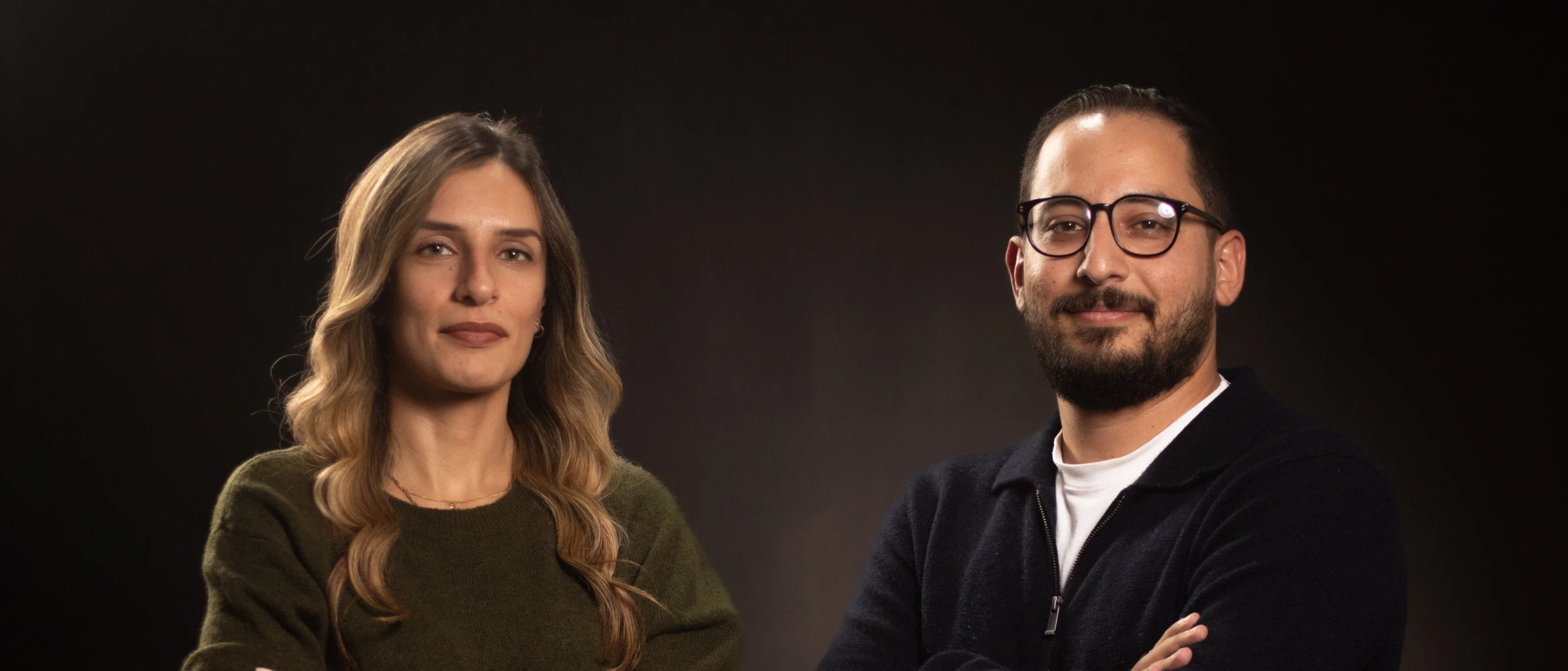
1. How did TLcom first meet the founders?
We were introduced to the founders and the company by Foundation Ventures, one of their early investors. At first, we were cautious as e-commerce and logistics have proven to be difficult sectors on the continent. We have seen many companies in the space struggle with the capital and operational intensity involved in scaling. However, Flextock caught our attention because it had established early product-market fit with a different approach – enabling e-commerce merchants to scale their operations while remaining asset-light. We were also drawn to Mohamed Mossad and Enas Siam. They demonstrated a clear understanding of the problem, as well as how thoughtfully and thoroughly they approached solving this problem.
2. What problem is the company solving?
E-commerce is growing fast in the MENA region, and consumer expectations on service delivery are rising; however, logistics and fulfilment infrastructure are fragmented and unreliable. Merchants looking to grow their addressable market by exporting their products across the region face challenges in navigating complex customs and regulatory requirements, making regional expansion feel out of reach. Online retailers in the region end up patching together multiple tools and service providers to manage their e-commerce operations.
Flextock offers online merchants a single comprehensive platform to manage and grow their e-commerce operations. Through a single integration, merchants can access reliable fulfilment, last-mile delivery, new sales channels, cross-border trade into regional markets, and data-driven insights to inform their decisions. Instead of juggling multiple providers and systems, merchants can focus on what matters—building their brand and serving their customers.
3. What differentiates this company from others?
Flextock is an e-commerce enablement platform, not a logistics provider. The distinction matters. While traditional logistics players focus on moving packages, Flextock focuses on growing merchants. The company positions itself as a long-term partner to online retailers, helping them scale rather than simply fulfilling their orders.
This is reflected in the business model. Flextock operates asset-light, partnering with existing warehouses and couriers rather than owning or building infrastructure. Proprietary technology ties the network together—a warehouse management system, merchant portal, and delivery platform that give Flextock control over quality and performance without the capital burden of ownership. The result is a scalable model with strong unit economics.
4. Why is TLcom excited about the investment?
E-commerce in MENA is at an inflection point. While penetration is low compared to other more developed markets, increasing mobile phone penetration, a large tech-savvy young population and strong government backing of the space have seen a massive surge in the growth of ecommerce in the last few years. Flextock’s entry into the market to support traditional and online merchants to benefit from this growth surge is the kind of market timing that creates category-defining companies.
What excites us about Flextock is that it is solving a structural problem. Merchants across the region need a partner that can help them scale, and there is no clear winner in this space yet. Flextock has the platform, the technology, and the early traction to become that partner.
But ultimately, we back Founders. Co-Founders, Mohamed and Enas, are ambitious, complementary, and resilient. In Enas, we are excited to welcome another female Founder into our portfolio. Enas and Mohamed have a strong execution mindset and have navigated real adversity, including a significant currency devaluation in Egypt, without losing momentum or focus. They have built a strong leadership team around them and earned the respect of merchants, partners, and investors across the ecosystem. We believe they have what it takes to build a truly successful and valuable company, and we're excited to be part of the journey.
